Frequently Asked Questions
How can I request a quote for tree removal services?
Requesting a quote for tree removal services is simple. You can contact Notch Your Average Tree Service through our website or by phone, providing details about the tree and your location for an accurate estimate.
What should I consider when choosing a tree removal service?
When choosing a tree removal service, consider their experience, safety measures, insurance coverage, and customer reviews to ensure you select a reliable and professional team for your tree care needs.
What are the benefits of professional tree removal?
The benefits of professional tree removal include enhanced safety, prevention of property damage, improved aesthetics, and increased property value. Professionals ensure the job is done efficiently and safely, minimizing risks associated with tree removal.
How does the tree removal process work?
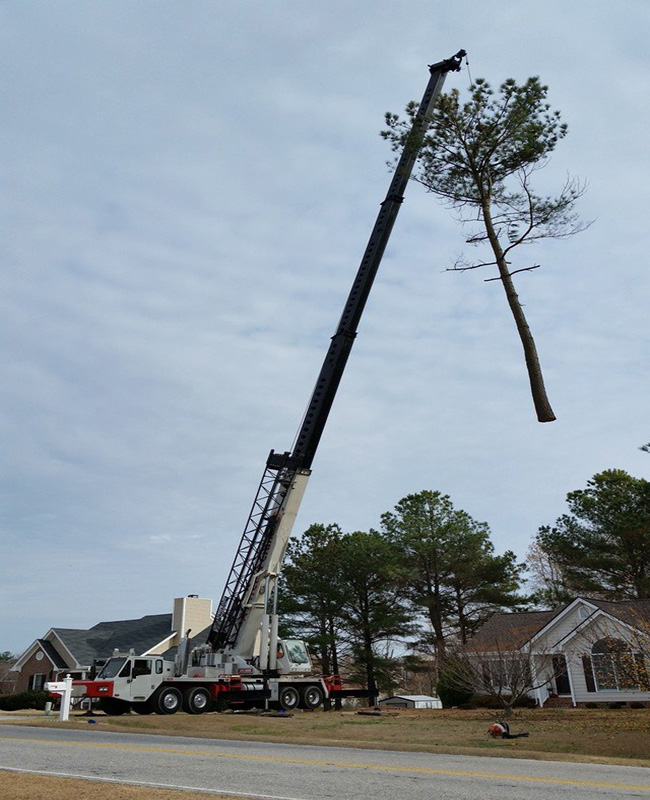
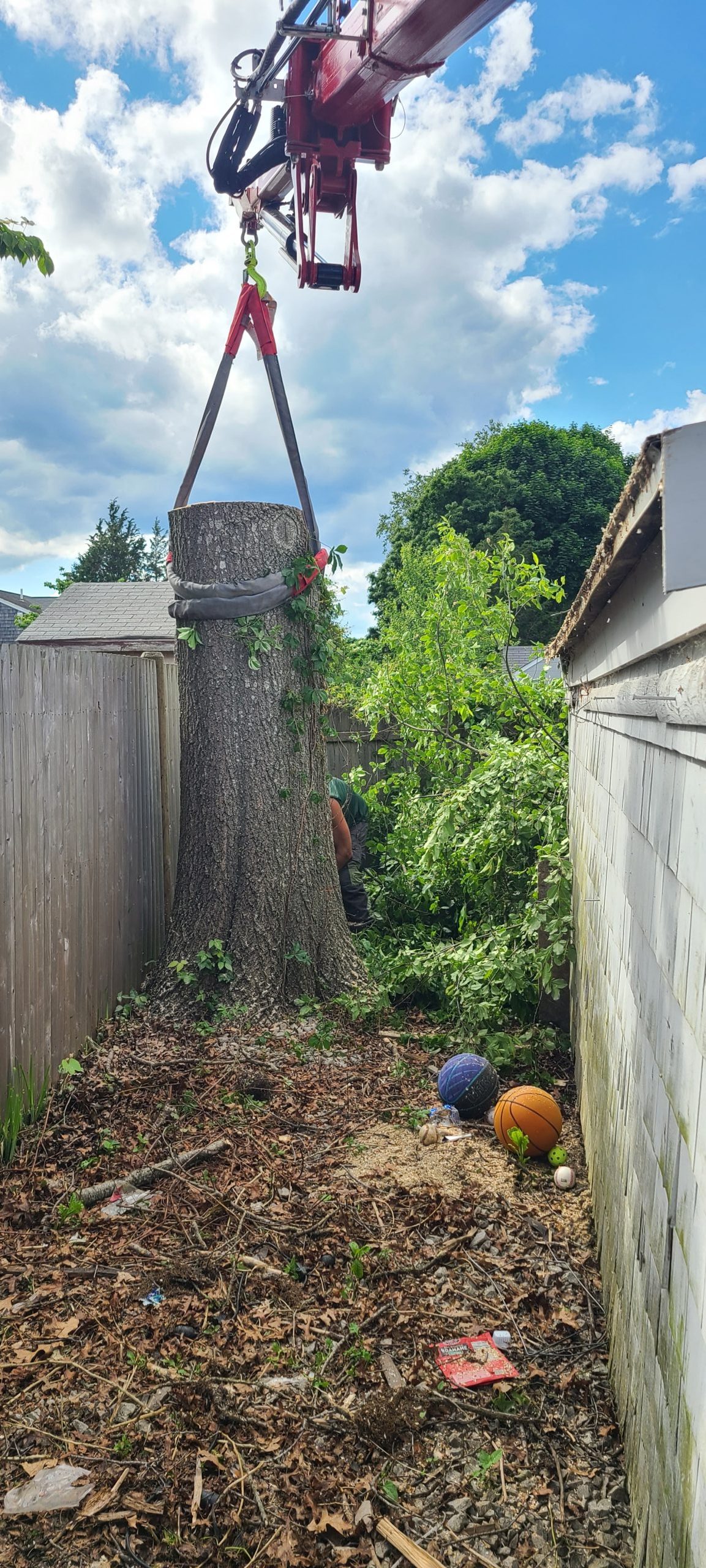
The tree removal process involves several steps: assessing the tree's condition, planning the removal method, securing the area, cutting the tree down safely, and finally, removing the debris. Our team ensures efficiency and safety throughout the entire procedure.
Why should I choose Notch Your Average Tree Service for my tree care needs?
Choosing Notch Your Average Tree Service for your tree care needs ensures safe, efficient, and professional tree removal. Our experienced team prioritizes customer satisfaction and utilizes top-notch equipment to handle any tree-related challenge with care and expertise.
What factors affect tree removal costs?
The factors that affect tree removal costs include the tree's size, location, health, and the complexity of the removal process. Additional considerations may involve accessibility and the need for specialized equipment.
How long does tree removal take?
The duration of tree removal varies depending on factors such as the tree's size, location, and complexity of the job. Typically, it can take anywhere from a few hours to a full day to complete the process safely and efficiently.
What safety measures are used in tree removal?
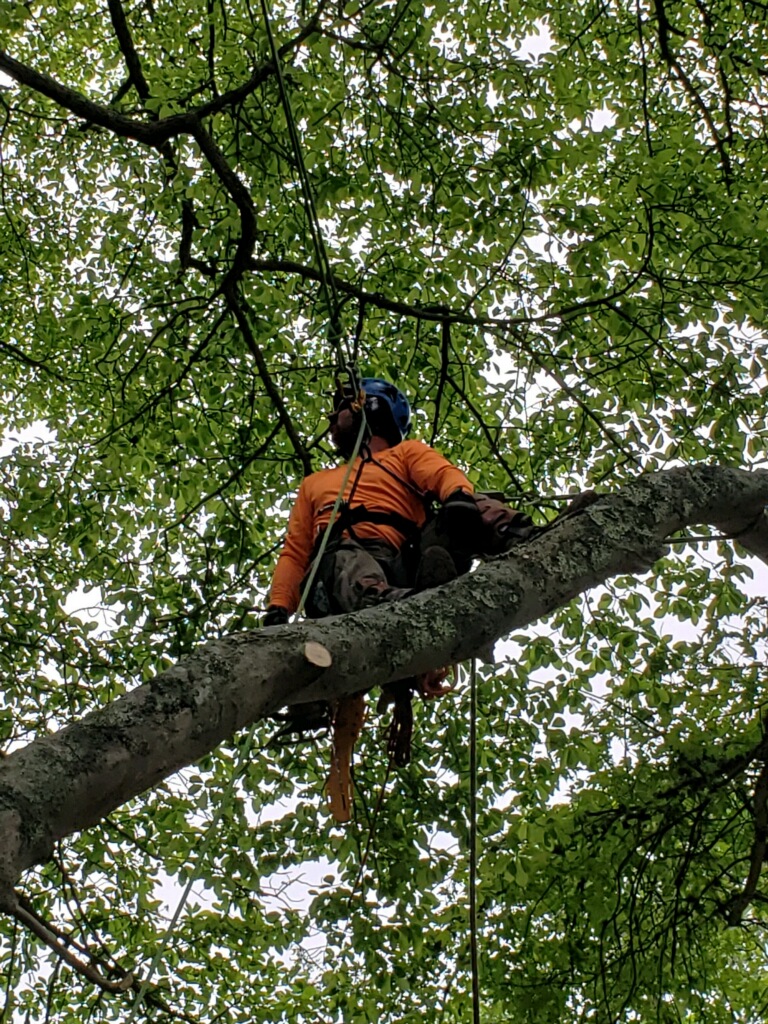
The safety measures used in tree removal include thorough site assessments, the use of personal protective equipment (PPE), proper rigging techniques, and adherence to industry standards to ensure the safety of both workers and property.
Can I remove a tree myself?
Removing a tree yourself is possible, but it's often risky and requires proper knowledge and equipment. For safety and efficiency, it's advisable to hire a professional tree service like Notch Your Average Tree Service.
What equipment is needed for tree removal?
The equipment needed for tree removal includes a chainsaw for cutting, ropes for securing branches, a stump grinder for removing stumps, and safety gear like helmets and gloves to ensure worker protection during the process.
How do I prepare for tree removal?
Preparing for tree removal involves clearing the area around the tree, ensuring there are no obstacles, and notifying neighbors if necessary. It's also important to secure pets and children away from the site for safety.
What happens to the tree stump?
When a tree is removed, the stump remains as a leftover part of the tree. We offer stump grinding services to eliminate the stump, turning it into mulch or sawdust, which can be used for landscaping or left to decompose naturally.
Are permits required for tree removal?
Permits are often required for tree removal, depending on local regulations and the tree's size or species. It's essential to check with your local authorities to ensure compliance before proceeding with any removal.
How can I maintain my trees after removal?
Maintaining your trees after removal involves regular monitoring of the site for any new growth, ensuring proper soil health, and considering planting new trees or shrubs to enhance the landscape.
What types of trees are easiest to remove?
The types of trees that are easiest to remove typically include smaller, younger trees with shallow root systems, such as saplings and certain species like birch and poplar. These trees require less equipment and effort for safe removal.
How do I know if a tree is dangerous?
Determining if a tree is dangerous involves looking for signs of instability, such as large cracks in the trunk, dead branches, or significant leaning. If you notice these issues, it's best to consult a professional for assessment.
What are signs of a dying tree?
The signs of a dying tree include wilting or discolored leaves, dead branches, peeling bark, and a decrease in new growth. Additionally, the presence of fungi or pests can indicate underlying health issues.
How often should I have my trees inspected?
The frequency of tree inspections should be at least once a year. Regular inspections help identify potential issues early, ensuring the health and safety of your trees and surrounding property.
What is the best season for tree removal?
The best season for tree removal is typically late fall to winter. During this time, trees are dormant, making it safer and easier to remove them while minimizing impact on surrounding vegetation.
Can tree removal damage my property?
Tree removal can potentially damage your property if not done correctly. However, professional services like Notch Your Average Tree Service ensure safe practices to minimize risks and protect your property during the removal process.
What is included in a tree removal quote?
A tree removal quote includes an assessment of the tree's size and condition, the cost of labor, equipment fees, and any additional services like stump grinding or debris removal.
How do I choose a reliable tree service?
Choosing a reliable tree service involves researching their credentials, reading customer reviews, ensuring they are licensed and insured, and asking for detailed estimates. This ensures you receive safe and professional tree care.
What should I ask a tree removal company?
When considering a tree removal company, ask about their experience, insurance coverage, safety protocols, equipment used, and the estimated timeline for the job. Additionally, inquire about pricing and any potential additional fees.
What are the risks of DIY tree removal?
The risks of DIY tree removal include potential injury from falling branches, damage to property, and improper cutting techniques that can lead to tree instability. Additionally, without proper equipment and expertise, the process can become hazardous and costly.
How can I find local tree removal services?
Finding local tree removal services is simple. You can start by searching online directories, asking for recommendations from neighbors, or checking local listings and reviews to identify reputable companies in your area.
What are the environmental impacts of tree removal?
The environmental impacts of tree removal include loss of biodiversity, disruption of local ecosystems, increased soil erosion, and reduced air quality. Additionally, it can contribute to climate change by decreasing carbon sequestration.
How do tree roots affect nearby structures?
Tree roots can significantly impact nearby structures by causing damage to foundations, sidewalks, and underground utilities. As roots grow, they can exert pressure, leading to cracks and structural instability if not managed properly.
What is the process for emergency tree removal?
The process for emergency tree removal involves assessing the situation, prioritizing safety, and quickly mobilizing our team to remove the hazardous tree. We ensure minimal disruption and follow up with site cleanup.
How can I prevent tree-related accidents?
Preventing tree-related accidents involves regular tree maintenance, such as trimming dead branches, ensuring proper clearance from power lines, and hiring professionals for tree removal. Always assess your surroundings before engaging in any tree work.
What are the benefits of tree trimming?
The benefits of tree trimming include promoting healthier growth, enhancing the tree's appearance, reducing the risk of falling branches, and improving safety around your property. Regular trimming also allows for better sunlight and air circulation.